
O Dono no Campo de Batalha: Estratégia versus Delegação Total
Por que donos de operação voltaram a tomar decisões estratégicas de tráfego, os limites da delegação e a psicologia da dor de perder no resultado da conta.
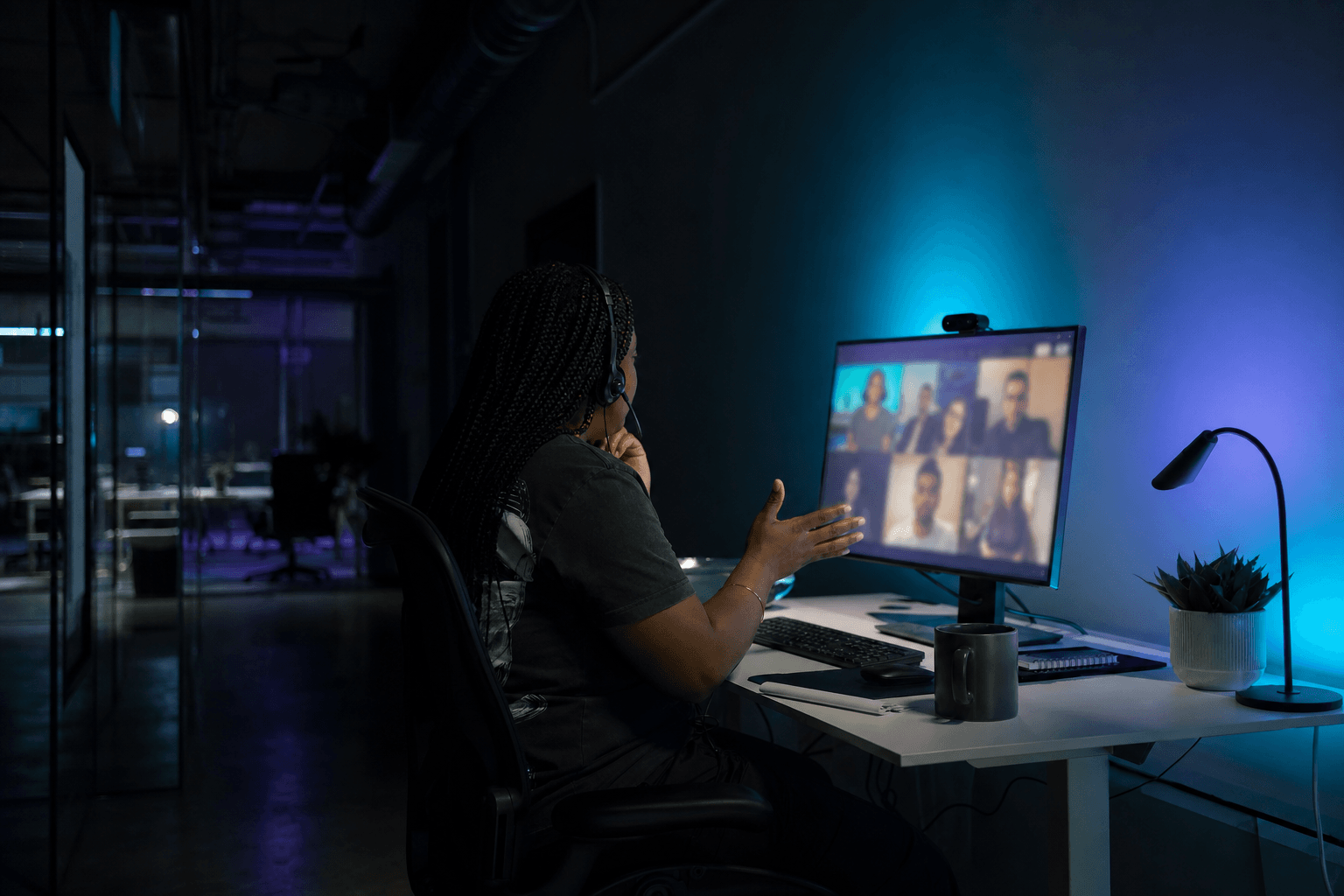
Por que o dono voltou pro campo de batalha
Delegação total de tráfego quebrou em muita operação grande. O movimento agora é o contrário: o dono volta a tomar a decisão estratégica do Meta Ads, faz call com os gestores e passa a visão do que vai ser feito e como. A gestão do dia a dia fica com o sênior, mas a estratégia volta pra mesa de quem sente a dor no bolso.
Isso não é micro-gerência por vaidade. É reconhecimento de um limite que muito operador aprendeu queimando verba: estratégia não delega bem. Execução delega. Decisão de para onde a verba vai, não.
O que delegou bem e o que delegou mal
Na prática, o que rola é o seguinte. O dono que tentou entregar a parte estratégica pra um terceiro, mesmo contratando gente com histórico, gente que já tinha investido milhões, viu decisões de baixo nível cognitivo aparecerem na conta. O cara tinha experiência no currículo e tomava call ruim na hora que pesava.
O modelo "contratei um gestor, mando os criativos e a copy, escala aí" parou de performar na maioria dos casos. As operações que rodavam assim, hoje, em geral não estão mais no topo.
Quem está escalado de verdade tem outro padrão: o dono sabe o que está sendo feito. Sabe tudo que acontece na conta. Domina aquilo. Ele não vai subir campanha na unha, não faz sentido, tem gente pra contratar e ferramenta pra facilitar o operacional. Mas ele traça a estratégia. Quando se fala de orçamento relevante, isso não é detalhe.
A diferença é simples de enxergar:
- Execução repetitiva (subir campanha, padronizar naming, duplicar conjunto) sai da mão do dono sem prejuízo nenhum
- Decisão de alocação de verba, oferta e direção de teste fica com quem carrega o risco
- O sênior responde de volta pro dono, não toca o braço inteiro sozinho
O operacional bruto é exatamente o que ferramenta resolve melhor que pessoa. No cenário de subir centenas de variações em várias BMs, é onde uma plataforma de upload em lote pra Meta Ads tira o atrito sem o dono precisar inflar o time pra dar conta da repetição. A pessoa fica livre pra pensar estratégia, a máquina sobe o volume.
A psicologia da dor de perder
Aqui entra o ponto que ninguém resolve com salário. Você pode remunerar bem o gestor, dar comissão maior, e sim, naturalmente o cara passa a ter mais atenção. Mas isso não substitui uma coisa: ele não tem a dor de perder.
Só o dono da operação tem isso.
Quando uma campanha perde 20 mil, o dono é castigado direto no bolso. O gestor perdeu a comissão, perdeu o possível ganho do mês. São coisas diferentes. Perder dinheiro que já era seu e perder um ganho que ainda nem entrou são dores de tamanhos completamente diferentes na cabeça de quem opera.
O cálculo é simples. Quem sente o prejuízo na carne corta a campanha ruim mais rápido. Quem só perde o upside fica mais tempo torcendo pra virar. Essa milissegundagem de decisão, multiplicada por orçamento alto, separa operação que sobrevive de operação que sangra.
O problema da comissão quando o gestor perde dinheiro
Tem um nó que aparece quando o gestor bom comete um erro grande. Por descuido, por falta de motivação num dia ruim, ele gera um prejuízo relevante. E aí o dono trava.
Desconta da comissão? O cara fica seis meses sem receber direito, vai trabalhar desmotivado ou pede demissão. Não desconta? Então quem absorve o buraco é o dono, sozinho, de novo.
Não existe contrato de comissão que faça o gestor sentir prejuízo igual ao dono. A estrutura de incentivo é assimétrica por natureza. O gestor tem teto de dor (perde a comissão, no máximo perde o emprego). O dono não tem teto. Por isso a decisão de maior risco volta pra quem não tem teto de dor.
Como as maiores operações estão montando o time hoje
Quando você olha o topo, falando de operação rodando 1 milhão por dia, 2 mil vendas por dia, o padrão é o mesmo: o dono está no dia a dia, arregaçando a manga, com o gestor sênior do lado.
Mudou a hierarquia. Antes o sênior tocava o braço inteiro e reportava o resultado. Hoje o sênior responde de volta pro dono que está olhando muito de perto. O dono não terceirizou a visão. Terceirizou a digitação.
A estrutura que tem funcionado fica mais ou menos assim:
- Dono: define estratégia, oferta, alocação de verba, faz a call de direção
- Sênior: executa a estratégia, analisa números no detalhe, responde pro dono
- Júnior e ferramenta: cuidam do operacional pesado, upload, padronização, volume
O ponto de falha mais comum não é o dono não saber decidir. É o dono decidir com input ruim.
Quando o input já chega podre
Esse é o detalhe que derruba operação que parece bem montada. Se você não está olhando de perto e não tem gestor muito bom do lado, você está tomando decisão baseado na informação que um colaborador não qualificado te trouxe.
O input já chega ruim. E você decide em cima daquilo. Vai errar, e nem vai entender por quê, porque a sua lógica de decisão até estava certa. Os números é que estavam tortos antes de chegar na sua mão.
É por isso que o dono que voltou a olhar de perto começou a performar melhor. Não é que ele decida melhor que o gestor. É que ele decide com dado de primeira mão, sem o filtro de alguém que não entende o que está reportando.
Quem opera sabe: a qualidade da decisão nunca é melhor que a qualidade do dado que entrou nela.
Takeaways
- Delegue execução, não estratégia. Subir campanha e padronizar setup sai da sua mão sem custo. Decisão de verba e oferta fica com você.
- Tire o operacional repetitivo do time com ferramenta, não com mais gente. Volume de upload é problema de máquina, estratégia é problema de cabeça.
- Olhe o dado de primeira mão. Se o input chega filtrado por um colaborador fraco, sua decisão já nasceu errada.
- Não tente resolver a dor de perder com comissão. Não funciona. A decisão de maior risco volta pra quem sente o prejuízo no próprio bolso: você.
Perguntas frequentes
Dono de operação grande deve subir campanha na mão?
Não. Não faz sentido o dono no operacional bruto quando existe time e ferramenta pra isso. O que ele não terceiriza é a estratégia: para onde vai a verba, qual oferta escala, qual direção de teste. Execução delega, decisão de risco não.
Por que comissão maior não resolve o problema de delegação?
Porque o gestor tem teto de dor. Ele perde a comissão ou no máximo o emprego. O dono perde dinheiro que já era dele, sem teto. Essa assimetria muda a velocidade de cortar uma campanha ruim, e em orçamento alto isso decide tudo.
Como saber se estou decidindo com input ruim?
Se você não olha a conta de perto e depende do relatório de um gestor que você não confia totalmente, assuma que o dado está filtrado. Decisão certa em cima de número torto vira erro. Vá na fonte e cheque os números você mesmo antes de definir direção.
Vale a pena absorver o prejuízo de um gestor bom que errou?
Depende do tamanho e da recorrência. Descontar tudo da comissão desmotiva e costuma terminar em pedido de demissão. O ponto real é estrutural: nenhum gestor sente o prejuízo como o dono, então a decisão de maior risco precisa estar perto de você desde o começo, não no conserto depois do erro.