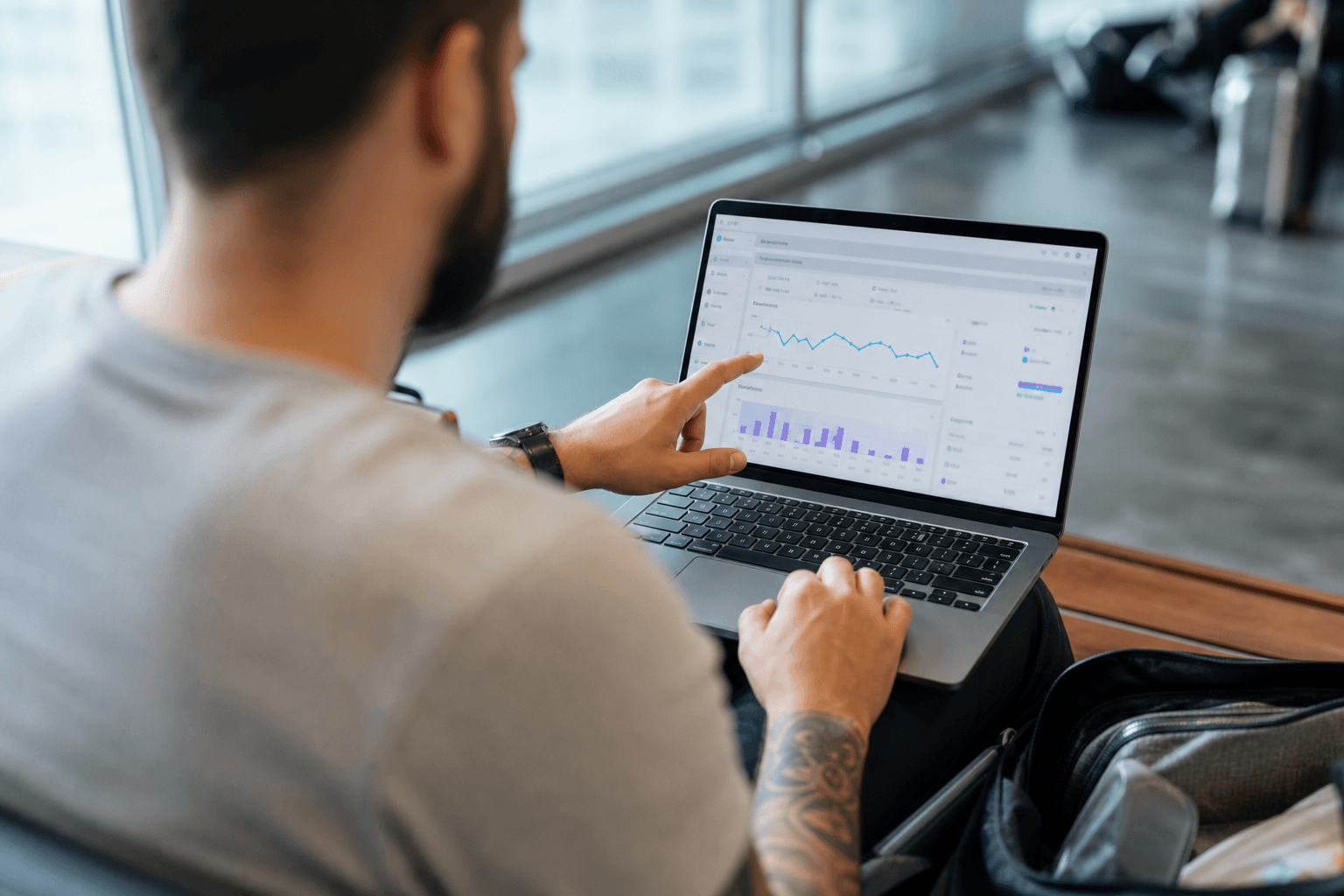
Funil de Tráfego para Negócio Local: Filtrar Antes de Vender
Aprenda a estruturar um funil de tráfego para negócios locais usando vídeo para qualificar o público antes de captar leads e reduzir o custo por resultado.
Por que jogar tráfego direto pra WhatsApp queima verba em negócio local
Rodar conversão ou captação de lead direto pra WhatsApp num negócio local costuma sair caro e trazer lead ruim. A saída que funciona é montar um funil de tráfego para negócio local que filtra o público com vídeo antes de pedir qualquer contato. Você aquece, qualifica e só depois chama pra ação. Sai mais barato e o dono do negócio para de reclamar que o lead não fecha.
Quem já rodou pra imobiliária, escola ou faculdade conhece o problema. Você sobe uma campanha de conversão, o Meta cobra caro no leilão, e o que chega no WhatsApp é gente curiosa que nunca ia comprar. Aí o dono do negócio olha o custo com SDR, com funcionário atendendo lead frio, e vem a pergunta: cadê o resultado que você prometeu?
A lógica do funil resolve isso na raiz. Em vez de pedir o contato de quem não te conhece, você primeiro descobre quem tem interesse de verdade.
Por que começar com campanha de vídeo é mais barato
O cálculo é simples: tudo que tira o usuário da plataforma custa mais no leilão do Meta. Campanha de conversão manda a pessoa pro WhatsApp, pro site, pra fora. O Meta cobra caro por isso.
Já a campanha de engajamento com vídeo mantém o cara ali dentro. Ele assiste, curte, comenta, não sai da plataforma. O Meta prefere isso porque é experiência de usuário pura, e cobra bem menos por essa entrega. Muito menos.
Então a primeira etapa do funil é rodar vídeo. Não pra vender. Pra triar quem tem interesse e, de quebra, gerar desejo em quem ainda não tinha.
No caso de imobiliária funciona assim: você pega o catálogo de imóveis que a corretora tem e monta vídeos mostrando os imóveis. Sem proposta de venda, sem CTA agressivo. Só mostrando. "Tem esse imóvel aqui, vem conhecer." O objetivo é acender interesse e ver quem reage.
Como criar públicos por percentual de visualização
Depois que o vídeo roda e capta as visualizações, você monta o público de quem assistiu. E aqui está o pulo do gato: não pega qualquer visualização.
Cria um público de vídeo acima de 75%. Quem viu 75% ou mais de um vídeo de imóvel não estava passando o feed no automático. Tinha interesse. Esse é o público que vale ouro.
Quem viu 25% pode ter parado por acidente. Quem chegou nos 75% assistiu porque queria. A diferença de qualidade entre esses dois públicos é enorme, e é ela que faz o lead chegar mais quente na próxima etapa.
Com esse público de 75% em mãos, você sobe a segunda campanha. Aí sim, mais focada em venda, chamando pra conhecer, pra visitar a corretora, pra vir ver o imóvel de perto.
Testar variações de criativo nessa etapa
Na fase de triagem você não roda um vídeo só. Testa vários. Imóvel X num anúncio, imóvel Y em outro, tipos diferentes de propriedade, ângulos diferentes de mensagem. Cada variação te diz o que o público daquela cidade quer ver.
É o tipo de operação onde você acaba subindo muita variação de criativo em paralelo, e fazer isso campanha por campanha no Gerenciador trava. Distribuir dezenas de variações entre contas e testar estruturas sem refazer setup na mão é onde plataformas como o DirectAds resolvem a duplicação em paralelo entre contas sem precisar de equipe maior pra operar.
Segmentação geográfica: o raio certo pra negócio local
Negócio local vive de geografia. Não adianta mostrar imóvel de uma cidade pra quem mora a 200 km.
A base é pegar o centro da cidade e estender um raio de 15 km de cada lado. Isso cobre a região que realmente pode virar cliente da corretora. Em alguns casos você trabalha com regiões específicas, dependendo do que o cliente quer vender e de onde está o público que interessa.
Se a imobiliária foca num bairro nobre, você aperta o raio ali. Se é uma faculdade que puxa alunos de cidades vizinhas, você abre. O raio não é fixo, é ajustado ao caso.
Essa segmentação por raio combinada com o filtro de vídeo é o que deixa o funil enxuto. Você fala só com quem está na área de atuação e só com quem demonstrou interesse.
A etapa de conversão: CTA pro WhatsApp na hora certa
Agora sim você pede o contato. Depois de filtrar quem viu 75% do vídeo, você manda esse público pra anúncios com CTA claro, convidando o cara pra te conhecer, pra visitar, pra falar com a corretora.
É aqui que entra o WhatsApp. A captação de lead acontece nessa etapa, e o fechamento rola na conversa. Mas repare na diferença: o lead que chega no WhatsApp agora já viu seu conteúdo, já demonstrou interesse, já sabe o que você vende.
Não é um estranho que clicou por impulso. É alguém aquecido.
Esse mesmo funil funciona além de imóvel. Escola, faculdade, qualquer negócio local com ticket que justifique atendimento humano. A pegada é a mesma: vídeo pra triar, público de 75%, CTA pra WhatsApp só no fim.
Por que filtrar antes reduz o atrito com o cliente
O problema mais comum de quem roda tráfego pra negócio local é o dono reclamando de duas coisas: ou não está chegando o volume prometido, ou está chegando lead desqualificado.
O segundo é pior. Lead ruim custa dinheiro pro cliente mesmo depois de você entregar. Ele paga SDR, paga funcionário, gasta tempo da equipe atendendo gente que nunca vai fechar. E a conta emocional vem toda pra você.
Filtrar com vídeo antes ataca exatamente isso. Quando o lead já passou pela triagem de 75% de visualização, ele chega mais qualificado no WhatsApp. A equipe do cliente gasta menos energia, fecha mais, e você não desgasta a relação.
O funil não é só mais barato na mídia. Ele protege a operação inteira do cliente do custo invisível de lead frio.
Takeaways
- Comece o funil com campanha de engajamento em vídeo, não com conversão direta. Mantém o usuário na plataforma e o Meta cobra menos no leilão.
- Monte o público de retargeting com quem assistiu acima de 75% do vídeo. Esse corte separa interesse real de rolagem acidental.
- Ajuste o raio geográfico ao negócio: 15 km do centro como base, apertando ou abrindo conforme a área de atuação do cliente.
- Deixe o CTA pro WhatsApp só na segunda etapa, pro público já filtrado. Lead aquecido chega mais qualificado e reduz reclamação do dono do negócio.
Perguntas frequentes
Por que campanha de vídeo é mais barata que campanha de conversão?
Porque a campanha de vídeo mantém a pessoa dentro do Meta assistindo, sem tirar ela da plataforma. Tudo que leva o usuário pra fora (site, WhatsApp) encarece o leilão. O Meta prefere entregar experiência interna e cobra menos por isso.
Qual percentual de visualização usar pra criar o público?
O corte de 75% funciona bem porque separa quem realmente se interessou de quem parou no vídeo por acaso. Quem assiste três quartos de um vídeo de imóvel ou de escola tinha intenção. Esse é o público que vale mandar pra etapa de venda.
Esse funil serve pra qualquer negócio local?
Serve pra negócio local com ticket que justifique atendimento humano no fechamento: imobiliária, escola, faculdade, clínica. A lógica é a mesma. Vídeo pra triar interesse, público de 75%, CTA pro WhatsApp só depois de filtrar.
Qual raio de segmentação usar?
A base é 15 km a partir do centro da cidade. Aperte o raio se o cliente foca num bairro específico, abra se o negócio puxa público de cidades vizinhas. O raio se ajusta ao caso, não é número fixo.